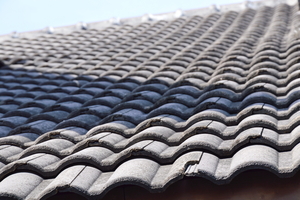
Your roof is your home’s first defense against wind, rain, and sun, but it needs regular attention to stay strong. Knowing how to inspect your roof and what to look for can save significant money by catching small problems before they require costly repairs. And remember: most homeowners' insurance policies won’t cover damage caused by neglect.
Wind, storms, hail, UV exposure, and the simple repeated heating and cooling over time all wear down roofing materials. So, we've compiled a roof maintenance checklist below to make affordable roof maintenance simple for homeowners. With a little routine care, you can extend your roof’s lifespan, prevent leaks, and protect your home year-round.
How to Inspect a Roof Safely
The first point on any roof maintenance checklist should be safety. Taking unnecessary risks can quickly turn affordable roof maintenance into a costly emergency.
- Always start inspecting the roof from the ground to spot visible problems, but don’t rely on this alone.
- If possible, use a drone or video camera on a pole to capture detailed roof images safely.
- If climbing, wear non-slip shoes, avoid wet or windy conditions, and have someone nearby for safety.
- Use a sturdy ladder to view eaves, gutters, and visible surfaces — but avoid walking on the roof.
- Schedule a professional inspection for steep, high, or complex roofs.
How Often Should You Inspect Your Roof?
Plan to inspect your roof twice a year — once in spring and again in fall. These routine checks help you spot wear from winter storms and prepare for summer heat. After any major wind, hail, or rainstorm, do a quick follow-up inspection to catch new damage early.
Schedule a professional roof inspection every two to three years. Adjust the frequency based on your roof’s age, material, and local climate. In some conditions, where your home faces harsh weather such as coastal winds or heavy hail, an annual inspection is best.
Roof Materials, Lifespans & Their Inspection Needs
Apart from the weather your roof is exposed to, the most important factor affecting your roof’s lifespan is the material used to build it. Roofing materials range from synthetic materials to natural tiles. Some materials hold up better than others, while some are cheaper to install and require less maintenance over the course of the roof’s life.
Understanding your roofing materials, their lifespan, and specific inspection needs is an essential part of fulfilling your roof maintenance checklist. Factor your roof’s materials and age into how often you inspect it and whether to repair or replace it when the time comes.
Composition / Asphalt Shingles
Asphalt composite shingles, made from crushed rock or fiberglass attached to a shingle, are one of the least expensive roofing options and are easy to install. They are low-maintenance but less resistant to wind and other extreme weather. You can usually expect asphalt shingles to last about 20 to 50 years, depending on the material composition.
Inspect composite shingles for cracks, bare spots, or curling.
Wood Shingles / Shakes
Made from pressure-treated wood, wood shingles or shakes are slightly more expensive than composition shingles. Many homeowners enjoy the weathered look that natural or pre-stained wood shingles give their homes. Although usually treated to be insect- and rot-resistant, wood shingles require more maintenance than other roofing materials. They are also much more flammable in the event of a fire. You can expect a wood shingle roof to last about 30 years if you maintain it properly.
Inspect wood or shake shingles for rot, moss growth, warping, or insect damage.
Tile / Slate
Tile roofing can be made out of various materials, including clay, cement, slate, or even metal. Tile roofs generally offer strong resistance to wear, insect damage, and rot. They are prized for their long-lasting durability, resistance to fading from sun exposure, and fire-resistant properties. (Learn more about protecting your home from sun damage.) A tile roof can last 40 to 60 years if made from clay or terra cotta, and slate or concrete tiles can last 50 to 100 years.
Some tile roofing materials can be brittle. Inspect for cracks, broken pieces, or displaced tiles.
Metal Roofs
Metal roofs provide excellent durability. Often made from galvanized or stainless steel, metal roofs can last 50 years or more with minimal maintenance. Copper is also sometimes used and can last even longer, up to 100 years if properly maintained. Copper also fades slowly into a pale green patina that many homeowners appreciate. The cost of installing a metal roof varies greatly by the type of metal and the size and shape of your roof.
Inspect metal roofing for signs of corrosion, loose fasteners, buckling or uneven seams, or loose, lifted, or bent flashing.
What to Look For During Your Roof Inspection
Learning how to inspect a roof is all about spotting early issues before they turn into leaks or costly repairs. During your next inspection, look for:
- Missing, cracked, or loose shingles or tiles – gaps expose your roof's foundation to the elements.
- Curling or buckling shingles – often a sign of aging or heat stress.
- Granule loss from asphalt shingles – check gutters for asphalt or composite debris.
- Flashing and penetrations – around vents, chimneys, or skylights, look for cracked seals or bent edges.
- Sagging or depressions – may indicate structural rot or trapped moisture.
- Gutter and eave debris – clogs trap moisture and damage roof edges.
- Moss, algae, or leaf buildup – these hold water and weaken roofing materials.
- Fasteners and nails – look for rust or loose, or missing fasteners.
- Ventilation and insulation issues – watch for condensation or excessive attic heat.
As part of your roof maintenance checklist, don’t forget to check inside. Water stains, leaks, or mold in the attic or ceiling indicate hidden damage that may not be visible from outside.
Regular roof checks and timely repairs keep your affordable roof maintenance on track and extend your roof’s lifespan.
Professional Inspection Scope & Methods
A professional roof inspection every two to three years is part of your roof maintenance checklist because it goes beyond what homeowners can safely see. Inspectors examine both the exterior and interior components of your roof, including the decking, structural supports, insulation, and ventilation. Whenever it’s safe, they’ll walk the roof to check materials and flashing up close; if not, they’ll use drones or pole-mounted cameras for a thorough visual inspection.
Specialized tools, including thermal imaging and moisture meters, help detect hidden leaks, weak spots, or trapped moisture. Afterward, you’ll receive a detailed report outlining any needed repairs, your roof’s estimated lifespan, and a recommended maintenance schedule to keep your home protected year-round.
Maintenance Tips Between Inspections
Some basic maintenance can help protect your roof between inspections. Keep gutters clean and flowing to prevent water from backing up under shingles or along roof edges. Trim tree branches that hang over or brush against the roof to avoid scratches and debris buildup.
Gently remove moss or algae with a soft brush and mild cleaner — harsh chemicals can damage protective coatings. Clear leaves and branches regularly, and check attic insulation and ventilation to reduce heat and moisture that lead to rot, mold, or ice dams. (Explore winter tips for home savings.)
Consistent, low-effort upkeep helps extend your roof’s life and keeps repairs affordable. Make it a routine part of your roof maintenance checklist.
Homeowners Insurance and Roofs
Routine roof maintenance can’t always prevent damage from wind, hail, or falling branches. Most homeowners’ insurance policies cover these sudden, accidental events, but wear and tear or problems resulting from neglect are typically not covered. Regular roof inspections help protect your home — and support your claim if unexpected damage occurs.
Document your roof inspections, repairs, and professional reports. Photos and dates provide proof of appropriate upkeep and make the claims process smoother. When in doubt, review your policy or speak with your insurance representative to confirm what’s included. (You can also learn how home improvements can affect your insurance.)
Common Mistakes to Avoid
- Waiting too long — minor issues can quickly turn into major damage.
- Inspecting only from the ground — you’ll miss problems that require a closer look or a professional inspection.
- Using harsh cleaners or pressure washers — these can strip protective coatings and loosen shingles.
- Ignoring interior warning signs — stains or discoloration on ceilings often mean hidden leaks.
- Skipping documentation — photos and notes from each inspection help track wear and simplify future claims or repair decisions.
Consistent, careful attention helps prevent avoidable damage, simplifies any insurance claims, and keeps your roof maintenance affordable.
Roof Maintenance Checklist
Regularly following our roof maintenance checklist will keep your roof in excellent condition and your maintenance costs low.
- Conduct personal inspections twice a year: spring and fall.
- Check the roof after major storms.
- Schedule for professional inspections every 2–3 years.
- Check shingles, flashing, and roof surfaces for damage or debris.
- Clean gutters and downspouts; trim nearby trees.
- Remove moss, algae, and rooftop debris.
- Monitor attic insulation and ventilation.
- Document the roof condition with photos or video.
- Record inspection dates and notes for reference or insurance claims.
Routinely following our home maintenance checklists is a simple way to protect your home.
Examples of Damaged Roofs
Insulation Layer Cracked

Old Composite Roof

Cracked Tile Roof